
Delhi Previous Residents by Era
The first question is not simply who lived at an address. It is which Delhi or Ingham source can speak to the date in question. BS&A is the current parcel layer. The Register of Deeds supplies recorded ownership and legal-description links. CADL holds the directory and map layers. Census, newspaper, cemetery, and probate material can help test a household or family trail. Each source has a different date range and access route, so a gap in one is a reason to switch sources, not to fill the gap with a guess.
| Source | Local years or coverage | Where held | What it can show |
|---|---|---|---|
| BS&A assessment, tax, and building | Current portal; exact online start not located | Delhi Assessing and BS&A | Current owner or taxpayer, mailing and situs fields, values, building details, and sale-history fields |
| Ingham deed index | Exact online cutoff not published; pre-1960 material goes to the vault | Register of Deeds, Direct Search, Tapestry, and vault | Grantor, grantee, instrument, legal description, and recorded chain |
| CADL Lansing directories | 1867 to present in the print room; branch full text through 1960 | CADL Local History Center and branch access | Names, addresses, occupations, and business entries where coverage includes the area |
| Belon and Stebbins collections | Belon 1952-1970; Stebbins mid-1920s-1970s | CADL digital collection and Local History Center | Street-file listings, photographs, and clippings; not recorded deeds |
| Federal and state census | Federal 1850 onward, subject to the 72-year release rule; state material listed for 1884 and 1894 | NARA, Archives of Michigan, and library databases | Historical household snapshots, subject to collection conditions |
| Newspaper, obituary, and probate | Ingham newspaper runs and historical or current probate routes vary | CADL, Library of Michigan, Archives, and Ingham Probate | Death, family, estate, and address context with omissions and confidentiality limits |
For a recent Delhi Township address, begin with BS&A and the deed chain. For an older Delhi or Holt trail, move to CADL directories, maps, and local-history assistance before assuming that an online result is a complete backfile.
Delhi Address Before a Name
Open the free Delhi BS&A property portal with the modern address. Record the exact situs address, parcel number, legal description, subdivision or lot and block when shown, current owner or taxpayer, and any sale-history line. Do not replace the situs field with the mailing address. A mailing address is where correspondence goes and can belong to an estate, business, lender, family member, or another public contact location. It does not establish the location of a person.
The legal description is especially useful for a past-address search because it can survive a street-number change. It also gives the Register of Deeds a more reliable bridge for old instruments that lack an address search. The assessor card is a starting record, not a full history. When an older build date or transaction needs to be relied on, test it against a permit, deed, map, or office record.
Delhi Previous Residents Deed Chain
Work backward from the current parcel rather than forward from a surname. A chain of title is the series of recorded transfers for the same property. In deed language, the grantor is the party transferring an interest and the grantee is the party receiving it. A legal description identifies the parcel by lot, block, subdivision, or metes and bounds, which is why it can outlast a street address in older records.
- Use the Delhi BS&A card to preserve the current owner or taxpayer, parcel number, legal description, and any displayed instrument clue.
- Search the current owner as grantee through Ingham Direct Search or the linked provider route, then inspect the acquisition instrument.
- Capture the seller or grantor, recording date, document number or book-and-page reference, and legal description from that instrument.
- Search that seller as a grantee to find the seller's earlier acquisition, then repeat the same careful reversal.
- Carry the legal description and document reference to public computers or the vault when the online trail ends, especially for pre-1960 material.
A deed chain can identify past ownership interests. It cannot, by itself, identify every past household at the address. Pair it with dated directory, census, obituary, or probate evidence when the question concerns past residents rather than recorded conveyances.
Delhi Vault Deeds Before 1960
The Ingham County Register of Deeds expressly sends pre-1960 documents to a vault appointment. The inspected county information did not publish an exact online-index start year, so the online search should be treated as the first part of the chain, not its outer boundary. The Register of Deeds offers public computers and lists vault hours Monday through Friday, with vault access from 8:30 to 4. Call ahead for a vault appointment and current copy fees.
Use the Tapestry deed-search route only as an additional provider option. The research did not verify its live field list or a continuous historical coverage date. Bring the address, parcel number, legal description, and known grantor or grantee names to the office. The county does not provide legal advice or prepare documents.
Review the provider route that can begin a Delhi Township prior-address deed search.
Provider search screens are not substitutes for the recorded instrument. A vault copy can be necessary when the earlier link in the chain predates the online material.
Delhi Address History at CADL
CADL's Researching the History of Your Home guidance matches the Delhi address method: search assessment material by address, owner, or parcel, test a street-name and number range, then use deeds, maps, permits, directories, and real-estate files. CADL warns that an assessment summary may show a built date while older dates remain uncertain. The guide also cautions that the online deed index may not reach the earliest transfer and suggests allowing time for the work.
CADL points to 1847, 1859, 1874, 1895, and 1914 maps, selected Sanborn years, city permit material, the Stebbins collection, and the digitized Belon collection. These are research paths, not a promise that every Delhi Township address appears in each one. The Stebbins files are organized by street address and may contain listing information, photographs, and clippings. Request a scan or appointment when a file is not online.
Consult CADL's address-history research guidance before expanding a Delhi Township trail beyond deeds.
The library route adds maps, directories, permits, and real-estate context to the parcel record. It is most useful when the record trail needs an older street or building clue.
Delhi Numbers and Sanborn Maps
A number mismatch can make an address look empty when it is not. Lansing-area directories used one numbering approach in 1867-1883, a second in 1885-1905, and a Philadelphia or block plan beginning in 1906. The 1913 Sanborn map displays dual numbering that can help bridge the change. Sanborn coverage is not a full rural Delhi Township parcel map, so use it as building, street-name, and numbering context rather than proof for every address.
Delhi's civil history adds another check. Delhi Center was renamed Holt in 1860, while the northern third of the township was annexed to Lansing in the early 1960s. A past-resident trail can therefore cross Delhi Township, Holt, Lansing, or county records. The parcel's legal description, street name, period map, and annexation history should be checked together before treating a non-match as a disappearance.
Note: The 1913 Sanborn dual numbers can bridge two numbering systems, but the map series does not cover every rural Delhi Township parcel.
Delhi Directories and Census Pairing
Directories and census schedules are the household layer for past residents. CADL holds Lansing print directories from 1867 to the present, while Ancestry Library Edition has full text through 1960 at a CADL branch. Its cataloged Polk volumes include Greater Lansing and suburban coverage that can include Holt and portions of Delhi Township, but each book's year and geographic scope must be checked. Bresser or criss-cross volumes can reverse from street or telephone data to a historical name.
- Search the exact street and number in the relevant directory or criss-cross volume, testing earlier number systems when the date requires it.
- Read the alphabetical and street sections together, and preserve the volume's abbreviation key rather than expanding initials by assumption.
- Match the directory date to an available census schedule. The census is a point-in-time household snapshot; the directory is an annual or near-annual address and business snapshot.
- Test a move, death, marriage, spelling change, or boundary shift with a newspaper, obituary, deed, cemetery, or probate record.
The historical volumes themselves are detailed in the Delhi Township city directory collections. A directory result is stronger when another dated record supports the same person and address.
Open CADL's digital yearbook collection for another historical name and community source.
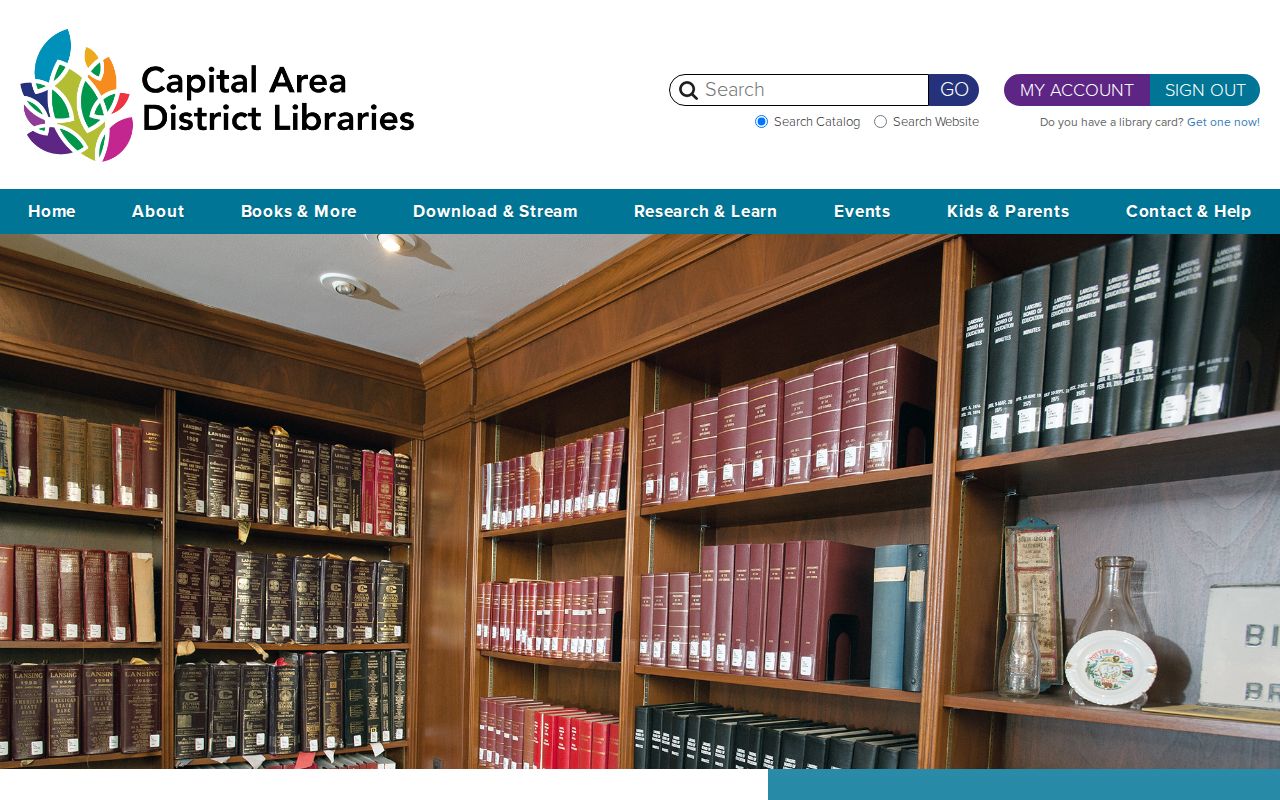
Yearbooks can help confirm community ties or spellings for former classmates and families. They are historical snapshots and should not be used as a substitute for an address record.
Delhi Past Residents and Obituaries
When a deed or directory trail reaches a death, move, estate, or identity question, use the endpoint sources with care. CADL reports that Lansing State Journal obituaries are free for the prior 30 days and indexed back to 2003. Its non-resident obituary request is $5 per name for a death notice or obituary request. The Library of Michigan guide lists Ingham County News from 1859-1964 and other local newspaper runs, but microfilm gaps need to be checked rather than assumed away.
Probate can identify heirs, fiduciaries, addresses, and estate property, subject to confidential categories. The Archives of Michigan lists estate-file material for about 1843-1898, while Ingham Probate moved to WebTCS on June 15, 2026. Cemetery records can add a place connection. An obituary, probate file, cemetery record, directory, and deed each answer a narrower question. A responsible past-resident conclusion stops when the name cannot be distinguished or the next record is confidential.
See the Library of Michigan Ingham County guide for archive routes that support Delhi Township previous residents research.
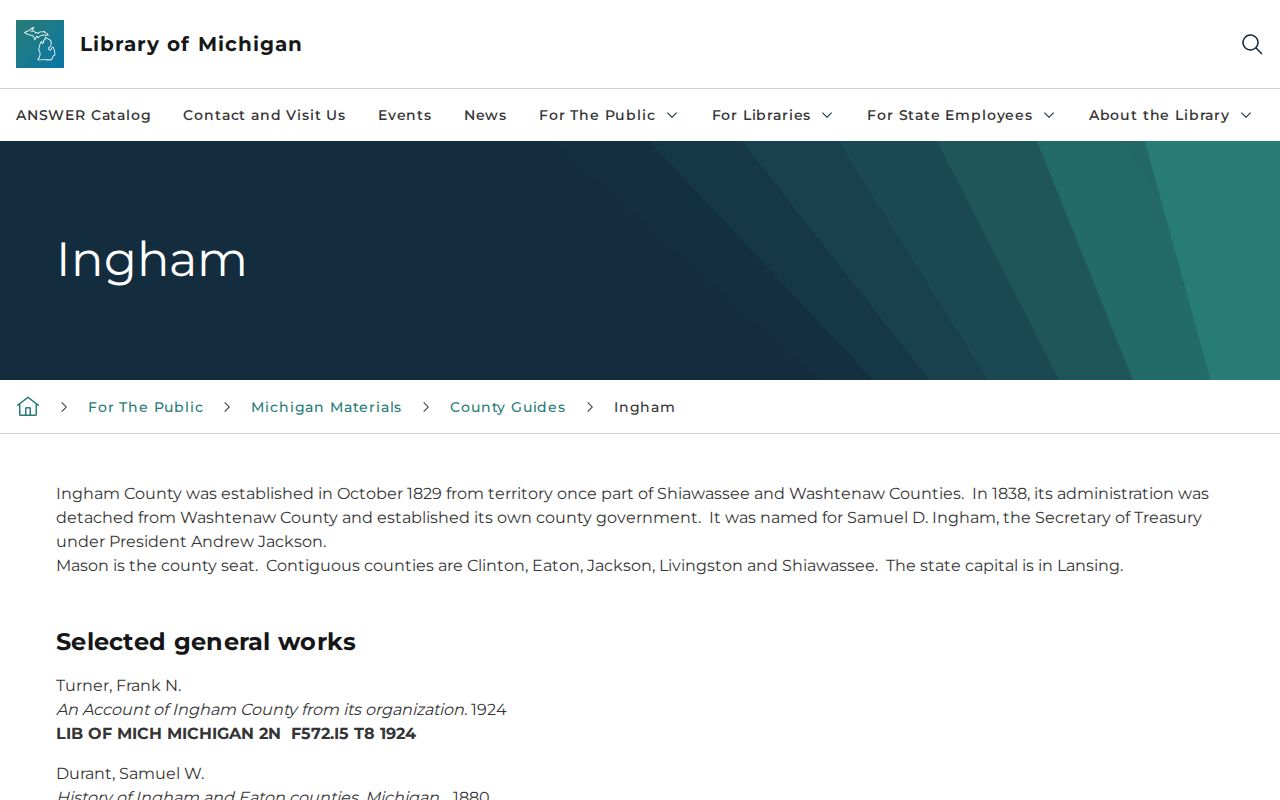
The county guide helps identify which state or library collection may hold an older record. It does not erase collection limits, release rules, or court confidentiality.
Delhi Previous Residents and Lost Records
Local custody changes can explain a missing record. Pioneer Cemetery's historic records were lost in an unknown fire, leaving headstone transcriptions from the 1990s and Historical Society copies as the main surviving evidence. North Cemetery began as Delhi property in 1852, then moved with the northern area annexed to Lansing in 1960. North Cemetery records can therefore lead to Lansing cemetery administration rather than a Delhi office, and no pre-1852 records were located.
The Holt-Delhi Historical Society holds yearbooks, pamphlets, signs, scrapbooks, photographs, local publications, plat maps, John B. Fay papers, small local directories, and the 1916 Rural Directory of Ingham County. It provides lookup and address-history help by contact, not a public membership or household roster.
Use the Holt-Delhi Historical Society genealogy resources when a Delhi Township historical trail reaches a local collection.
Historical Society material can supply context for an older address, cemetery, map, or rural directory. It should be paired with a dated official or archival record whenever identity matters.
Delhi Previous Residents, Safe Use
Previous residents research is best kept to address history, family history, estate questions, and other lawful personal purposes. Michigan's Address Confidentiality Program gives qualifying survivors a designated address and mail forwarding, while protected voter information is handled specially. Public records can also carry redactions or confidentiality limits. A record's existence does not create permission to contact, follow, or investigate a living person.
Lawful use. Use Delhi Township address history for lawful personal research. Michigan's anti-stalking law, MCL 750.411h, prohibits using public records to threaten, intimidate, follow, or harass another person.
For a correction, contact the office that holds the record and identify the parcel, instrument, or case number. Keep the response with the research notes. A past address, mailing address, or name match should never be turned into a current-location claim without independent confirmation.