
Delhi Township Resident Records
Delhi Township does not keep one master list of residents. A useful name search separates the question from the evidence. Delhi Assessing can connect a recorded owner or taxpayer to a parcel. Ingham County court records can distinguish a name through a case number. The county clerk and Michigan vital-records offices handle event records under their own access rules. Historical directories and yearbooks can place a person in an earlier time, but they do not establish a current address.
| Record layer | What it can confirm | Custodian or route | Access limit |
|---|---|---|---|
| Property record | Recorded owner or taxpayer, parcel situs, and mailing address | Delhi BS&A | Owner is not necessarily an occupant |
| Recorded deed | Transfer parties and legal description | Ingham Direct Search | Pre-1960 material requires a vault appointment |
| Voter record | Individual registration status and jurisdiction | Michigan Voter Information Center | Public fields are redacted and not a household list |
| Court record | Case number, name variation, and public case trail | Ingham Courts | A case hit does not prove identity or residence |
| Vital or historical record | Event facts, family context, or an earlier address | Ingham County Clerk and CADL | Eligibility and collection coverage apply |
For a current parcel question in Delhi Township, start with the BS&A name or address route and write down the parcel, situs address, and mailing address as separate facts. For an older name, start with the date or school year. For an estate question, a probate case or death notice may be the more direct first record. The best Delhi Township name check is the narrowest one that can be cross-checked.
Checking a Delhi Township Name
Common names produce the hardest Delhi Township name-check problem. Keep a small comparison note with the spelling used, middle initial, approximate address, parcel number, date range, and any court case number. Test a maiden, prior, or shortened name only when another record supports it. A court filing date or parcel legal description can separate two people who share a surname and first name more reliably than a broad name result.
BS&A exposes routes for name, address, parcel number, utility billing account number, and certain receivable identifiers. Its sample parcel-card guidance describes owner or taxpayer, land/legal description, sale history, building information, and tax or utility tabs where the municipality publishes them. Delhi Township's live card may not publish every vendor-sample field. Treat a displayed owner or mailing address as a lead, then verify it in the record that actually governs the question.
Note: A mailing address may belong to an agent, lender, family member, estate, or former address, so it should never become an unqualified residence claim.
Delhi Township Court Record Results
Ingham Courts link a no-charge case-number route and paid name-search routes for Circuit and Probate matters. Use a case number when one is known. A name search can help locate a public case trail, but it can also mix people with similar names. The separate hearing schedule covers Circuit hearings in the next two weeks and Probate hearings in the next six weeks for name searches, while case-number searches include past, current, and future settings.
| Verified result inventory | What the official route confirms |
|---|---|
| Circuit case number | A three-part displayed format with year, six-digit number, and court/type segment |
| Probate case number | A three-part number used for the probate case-number route |
| Party name | Last name is required for the paid name route; first name can narrow it |
| Case summary option | The portal lists a paid summary option for each case |
| Official-file route | Public Circuit and Probate review, copies, and certifications go through the clerk or Probate Register |
A live public docket was not captured in the research, so do not assume that a result will show a filing date, disposition, party role, or document image. For the actual file, use the court's stated counter or copy route. Court records are not a Michigan FOIA shortcut, and sealed, juvenile, adoption, expunged, and other confidential matters follow court-specific rules.
Vital Trails for Delhi Township Names
Vital records can resolve a relationship or event date after a Delhi Township name check produces more than one possible person. Ingham County holds births and deaths occurring in the county from 1867 and marriage applications from 1837. Michigan Department of Health and Human Services issues statewide certified copies and verifications. A verification is narrower than a certified copy, and a record event is not proof that a person lives at a present address.
The Ingham genealogy-review route permits visual review of marriage and death records at least 75 years old and birth records at least 110 years old. Under MCL 333.2885, historical access follows the same age thresholds for death, marriage, divorce, and birth records, subject to sealing exceptions. Staff can deny review when handling could damage a record, and visitors may not take, copy, or record the page.
The County Clerk's vital-records office shows the county route for birth, death, and marriage material. Its page is pictured below. The visible county page describes the record groups; it does not turn their contents into a public Delhi Township resident roster.
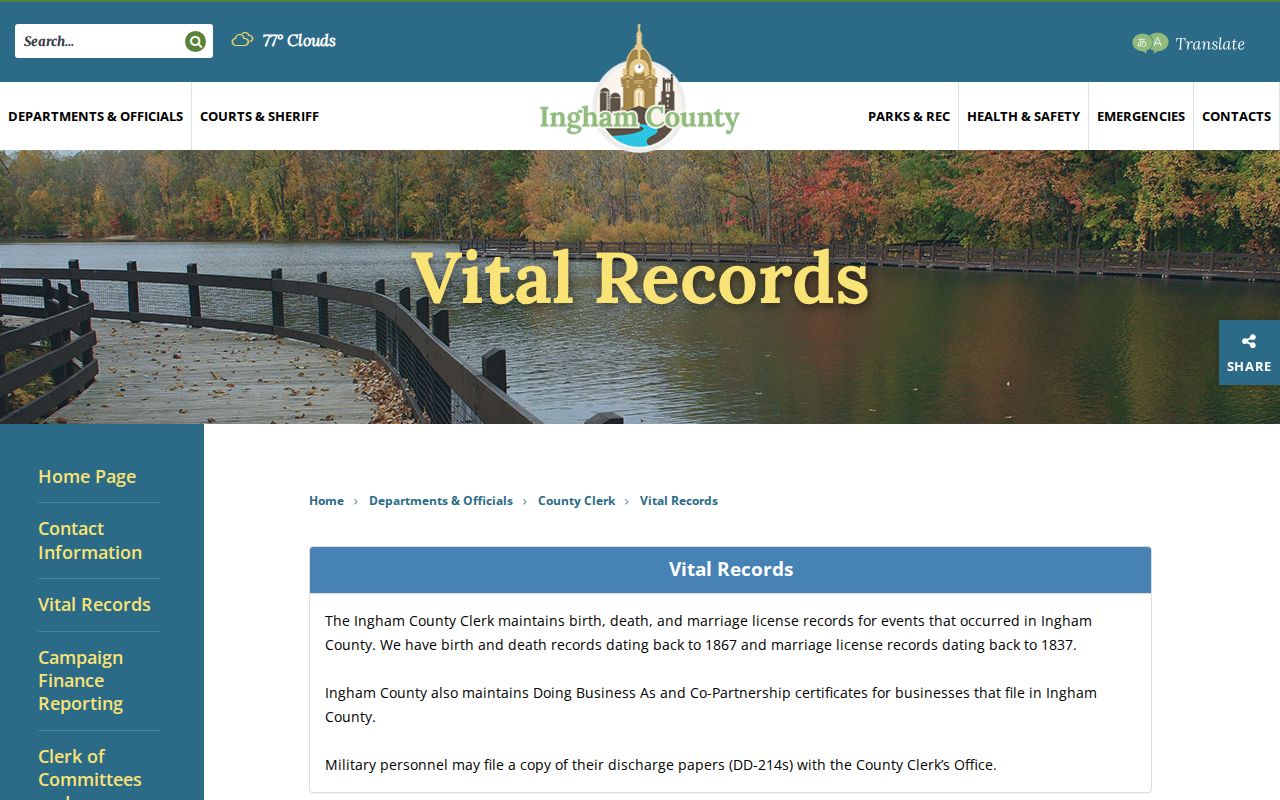
Use an event date, application place, or full legal name to focus a request, then preserve the custodian's eligibility and copy rules in the research notes.
Verify a Delhi Township Resident Record
Verification works best when it moves from a name to a place, then back to an independent record. Do not skip the stopping rule: one owner-name match, public case, or yearbook listing is not an identity confirmation. The following sequence uses records that each have a different purpose and makes the uncertainty visible.
- Search Delhi BS&A by name, address, or parcel and record the situs, owner or taxpayer, mailing address, and parcel number separately.
- Use the parcel legal description or current owner in the Register of Deeds index to locate a recorded instrument, then retain the document details rather than guessing from a street address.
- Use the Michigan voter tool only for an individual's registration-status and jurisdiction information, subject to its redactions and authorized access rules.
- Where a public court or vital record is relevant, compare the case number, event date, or custodian file with the earlier records before treating two name matches as one person.
- Docket
- The court's running case record. A search result or hearing schedule is not automatically the complete docket.
- Index and image
- An index points to a record. An image or clerk file is the underlying document, and it may have different access rules.
- Certified copy
- A copy issued by the custodian with certification. It is different from a search result or a basic verification.
For a street-wide parcel trail rather than one person, the Delhi Township street directory keeps the address-first workflow separate from this name-first method.
Delhi Township Personal History
An heir search begins with the Probate case by name or case number, then moves to public estate filings and inventories. Death notices, vital records, and deeds can help test a relationship. Ingham Probate announced WebTCS implementation on June 15, 2026, while public inspection terminals, workspace access, and clerk-copy routes remain part of the official path. Confidential documents and adoption matters do not become public through a probate search.
A former-classmate trail is historical by nature. CADL's Holt High School yearbooks include 1930, 1931, 1937, and 1946 through 2017 with gaps. The CADL yearbook collection and newspaper sources can test a school-year name, activity, or family spelling. They should not be used to state where a former classmate lives now.
The county genealogy page illustrates the visual-review conditions for old records. The image is a reminder that historical access can be limited even when an index confirms that a record exists.
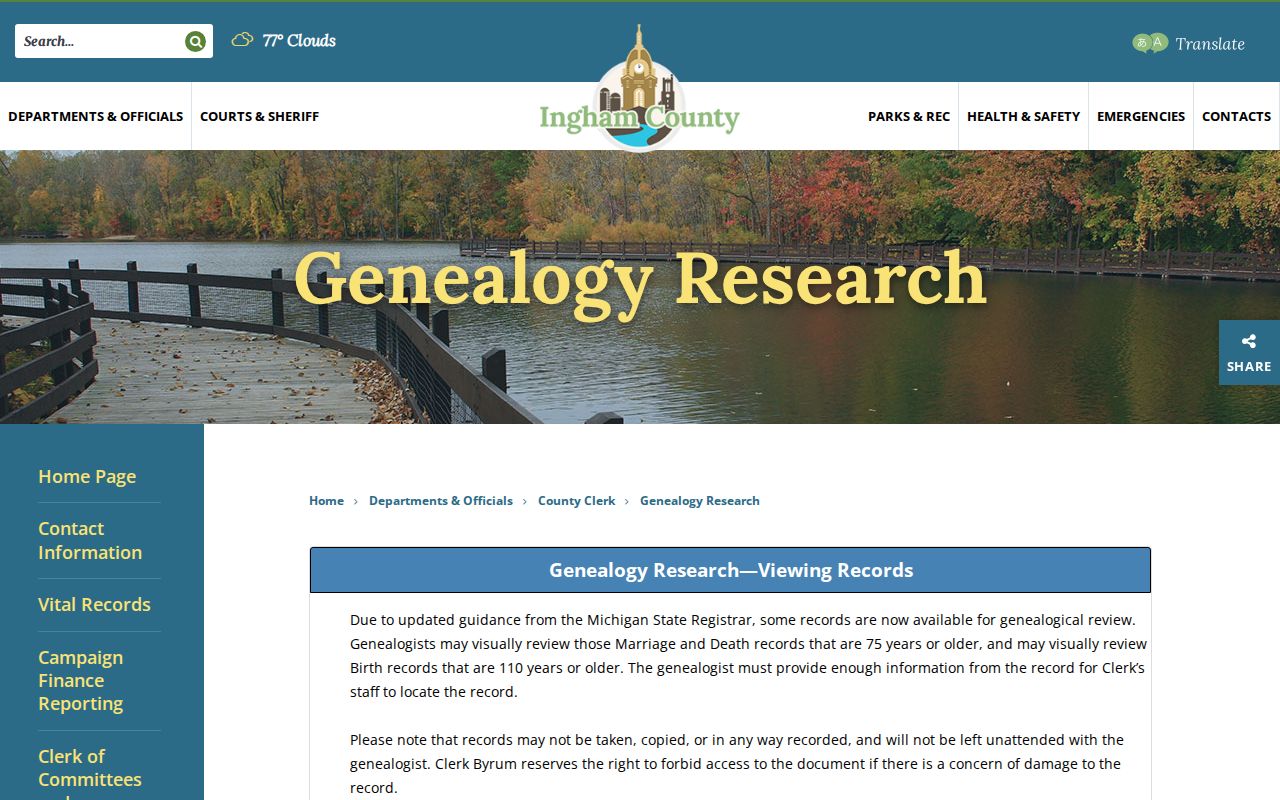
For older Delhi Township family research, the review rule and the condition of the original record control the next step.
Delhi Township Affiliation Clues
Public business and license records can clarify a name only when the record itself is relevant. Ingham DBA and co-partnership filings identify the people named in a county filing, while the Michigan LARA MiBusiness Registry supports entity-name, individual-name, entity-ID, and filing-number searches. Registered-agent, officer, manager, or partner information is an affiliation trail. It is not a conclusion about a private residence.
LARA's public-user material documents Begins with, Exact, Keyword, and Soundex entity-search options. Its individual role choices include resident agent, registered agent, officer, director, shareholder, member, manager, and general partner. The Michigan LARA corporations route is shown below. Verify a filing date or license status with the issuing authority before joining it to a Delhi Township name.
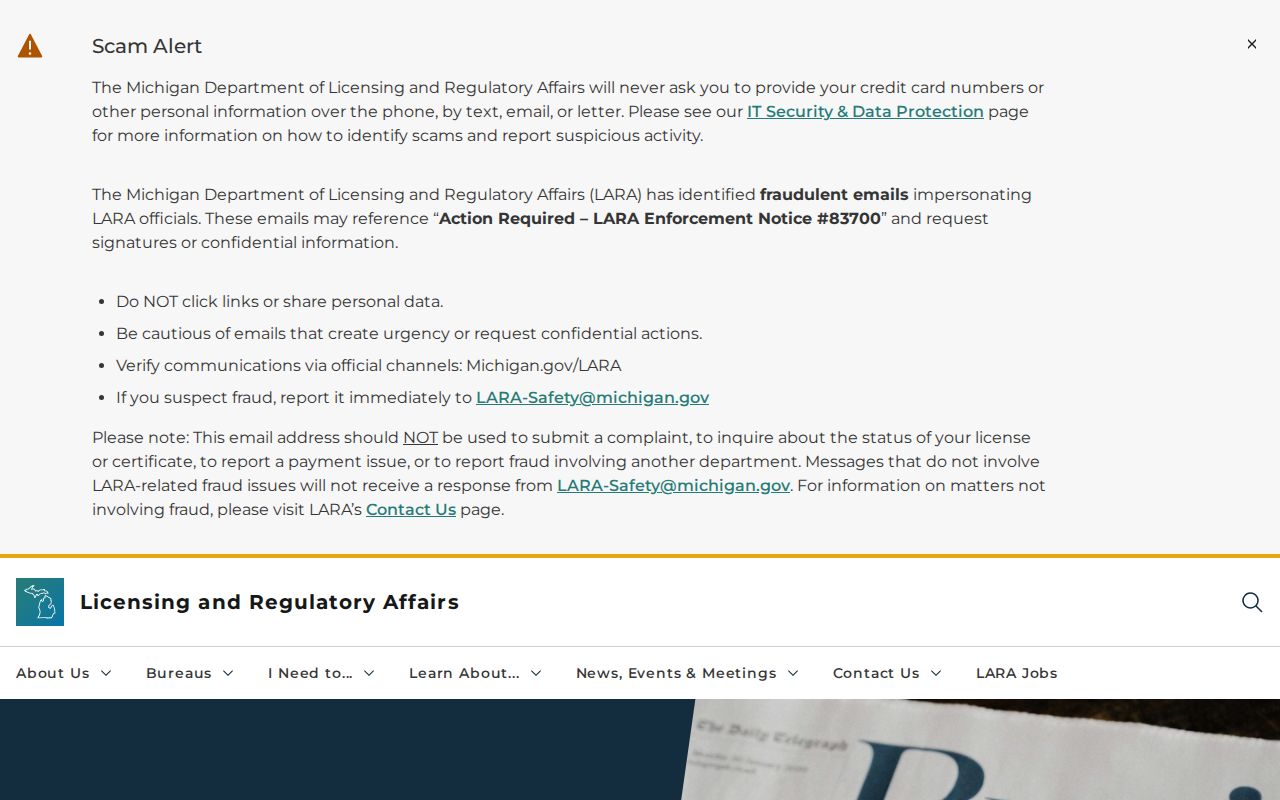
County DBA records expire after five years, so a filing gives a dated public connection rather than a permanent or current-address conclusion.
Delhi Township Official Record Limits
Official state services have narrow scopes. The Michigan State Police criminal-history service is a state route distinct from the Delhi Township property and county court records used to test an address. Its published search rules and exclusions govern what a result can mean. A result from any state system cannot be used as a shortcut around a sealed file, a protected address, or an unresolved same-name question.
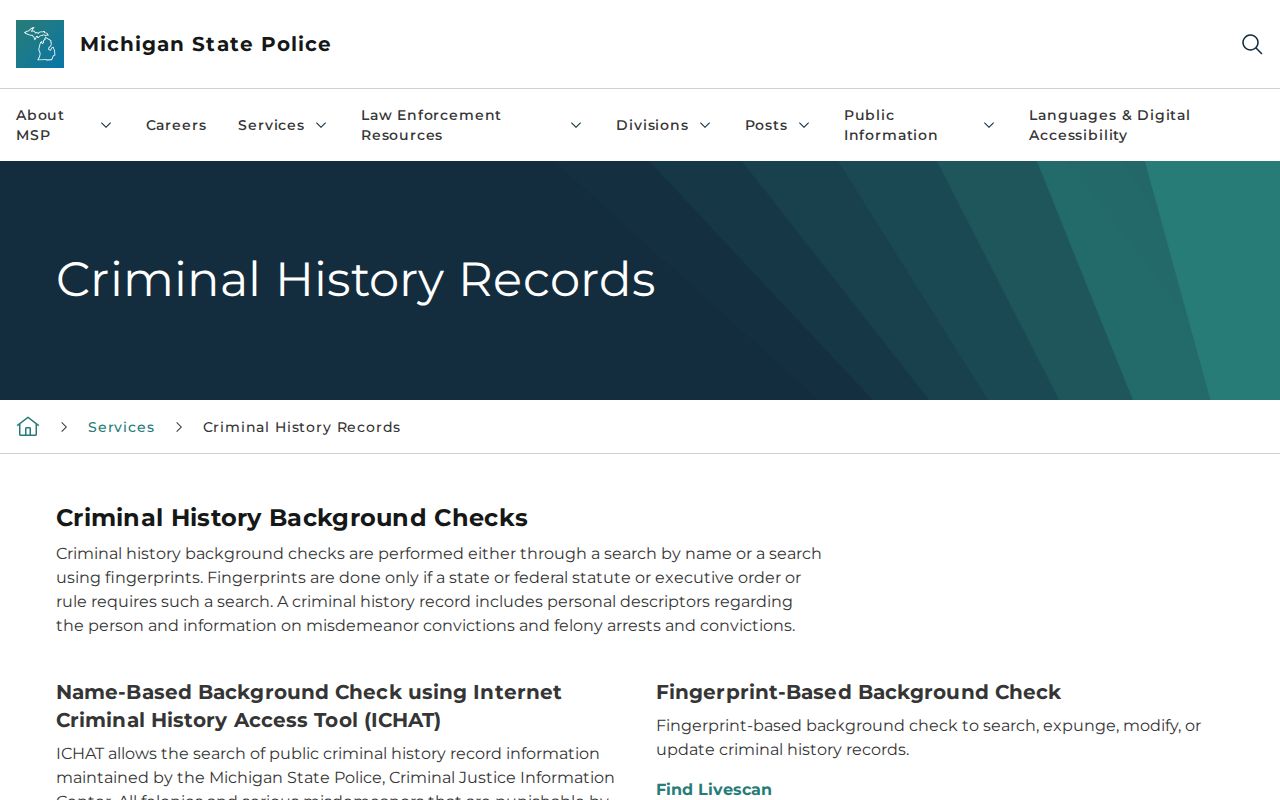
Use a public result only as the official system describes it, then return to the named custodian for a record, copy, or correction route.
The Michigan public registry is another official source with its own statutory publication limits. It is not a substitute for checking a Delhi Township resident record, and it should never be used to infer a person's identity or address from a nearby parcel.
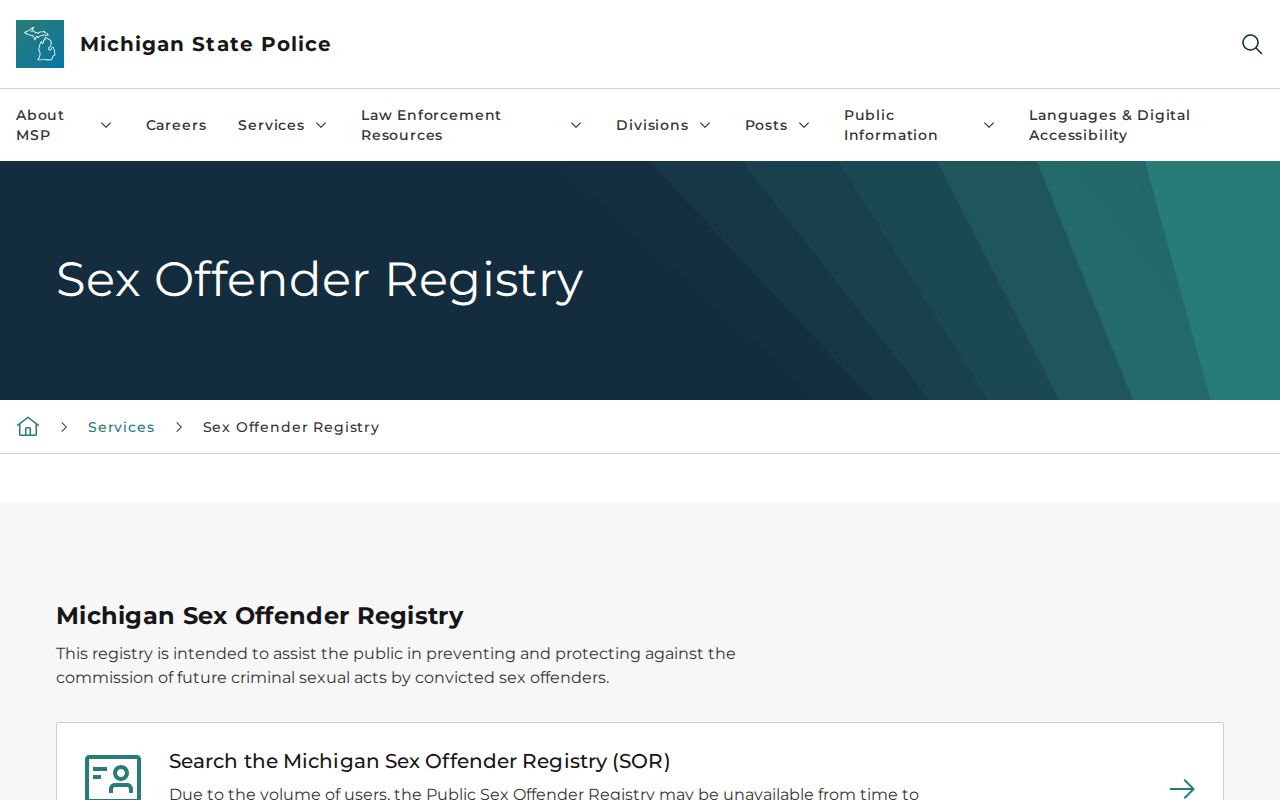
Official pages can state the limits of a service, but they do not remove the need to avoid misidentification and respect confidential records.
Delhi Township Record Fallbacks
When an online result is missing, choose the office that holds the record rather than making up a coverage date. The Register of Deeds directs pre-1960 documents to a vault appointment. The county clerk handles its own vital-record history. Court records go to the clerk's access rules, not FOIA. CADL's Local History Center and the Holt-Delhi Historical Society can help with directories, yearbooks, maps, obituary material, and local collections that never became a complete web index.
A written request under the Michigan Freedom of Information Act should describe the record, time range, parcel, or document sought well enough for the public body to find it. Michigan public bodies generally respond within five business days and may take a written ten-business-day extension. Ingham County explains that courts are excluded from FOIA, so a court file needs the court's counter or copy procedure instead.
Note: A well-defined record request is safer and more useful than asking an office to identify every document connected to a person.
Delhi Township Record Privacy Limits
Michigan's Address Confidentiality Program gives qualifying survivors a designated address and mail forwarding under Act 301 of 2020, MCL 780.851 et seq. Protected voter information is handled specially. Voter records also redact identifiers such as driver-license or state-ID numbers, month and day of birth, phone, email, digitized signature, and the last four digits of a Social Security number. DMV address data is not an ordinary public lookup under the federal Driver's Privacy Protection Act.
People can report a wrong assessor card, deed record, court entry, or voter record to the custodian that maintains it. Provide the parcel, case, or document number and ask for the office's correction or notation process. Do not rely on a commercial profile as the final word: such tools can combine same-name people, stale addresses, and incomplete source data.